
Molecular Regulation, Intracellular Communication and Its Role in Inflammation and Neuronal Adaptation
Nuclear factor kappa B signaling represents one of the most extensively investigated regulatory systems involved in cellular communication, inflammatory responses and biological adaptation. This molecular network coordinates the expression of numerous genes responsible for immune regulation, cell survival, stress responses and interactions between different cellular populations.
The nuclear factor kappa B family consists of transcription factors that respond to a wide range of extracellular and intracellular stimuli. These signals include inflammatory cytokines, microbial components, cellular stress and environmental changes. Following activation, specific transcription factor complexes can move from the cytoplasm into the nucleus, where they regulate the transcription of target genes.
Beyond its established role in immune regulation, this signaling system participates in several processes relevant to neuroscience, including neuroinflammation, neuronal survival, oxidative stress responses and communication between neurons and glial cells.
Understanding the molecular organization of this pathway provides important insights into how cells coordinate inflammatory activity, maintain biological homeostasis and respond to physiological or pathological challenges.

Molecular Foundations of Nuclear Factor Kappa B Signaling
The nuclear factor kappa B signaling system is a family of transcriptional regulators characterized by their ability to recognize specific DNA sequences and influence gene expression.
In mammals, the family comprises five principal protein subunits:
RelA, also known as p65.
RelB.
c-Rel.
Nuclear factor kappa B1 p50.
Nuclear factor kappa B2 p52.
These proteins form different homo- and heterodimeric combinations, each with distinct transcriptional properties and regulatory functions.
The RelA, RelB and c-Rel proteins contain transcriptional activation domains, whereas p50 and p52 generally require association with other regulatory partners to produce transcriptional activation.
Among the most extensively studied combinations is the p50/RelA heterodimer, which participates in the regulation of inflammatory and immune-related genes.
Under resting conditions, nuclear factor kappa B complexes are frequently retained in the cytoplasm through interactions with inhibitory proteins known as inhibitors of kappa B.
These inhibitory molecules prevent uncontrolled nuclear localization and maintain an appropriate balance between inactive and activated transcriptional states.
Following stimulation, specific signaling mechanisms modify these regulatory interactions, allowing transcription factor complexes to enter the nucleus and influence gene expression.

Canonical Nuclear Factor Kappa B Activation Pathway
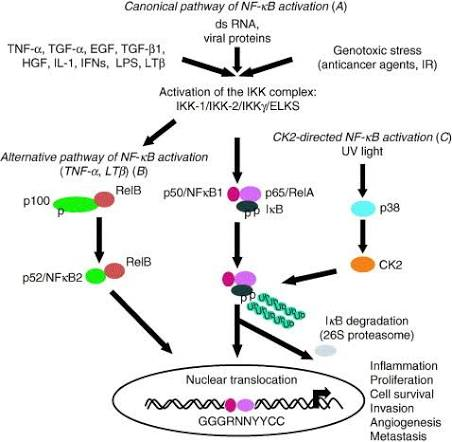
The canonical pathway is the principal mechanism responsible for rapid activation of nuclear factor kappa B in response to inflammatory and immune-related stimuli.
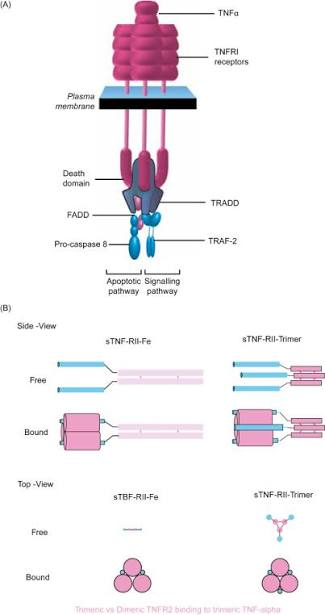
It can be activated by several extracellular signals, including tumor necrosis factor, interleukin-1 and ligands recognized by Toll-like receptors.
Although the initiating receptors and adaptor proteins differ, many of these signals converge on a common regulatory kinase complex.

Recognition of Extracellular Stimuli
The activation process begins when a specific receptor recognizes an extracellular ligand.
Tumor necrosis factor receptors, interleukin-1 receptors and Toll-like receptors initiate different molecular cascades that ultimately promote activation of intracellular signaling proteins.
These receptor-mediated events involve adaptor molecules, ubiquitination mechanisms and kinase activation.
The resulting molecular interactions facilitate the recruitment and activation of regulatory proteins responsible for controlling the downstream transcriptional response.
Activation of the IKK Complex
A central component of canonical signaling is the inhibitor of kappa B kinase complex.
This complex contains three major components:
IKKα, which participates in kinase regulation and several additional signaling processes.
IKKβ, the principal catalytic component in canonical inflammatory activation.
NEMO, also known as IKKγ, which serves as an essential regulatory and structural component.
Following appropriate upstream stimulation, the kinase complex becomes activated and phosphorylates inhibitory proteins associated with nuclear factor kappa B.
Phosphorylation and Degradation of Inhibitory Proteins
Under resting conditions, inhibitors of kappa B, particularly IκBα, retain transcription factor complexes in the cytoplasm.
Following activation of the kinase complex, IκBα undergoes phosphorylation at specific residues.
This modification promotes its recognition by ubiquitination machinery and subsequent degradation through the proteasome.
The degradation of the inhibitory protein releases nuclear factor kappa B complexes, allowing them to undergo nuclear translocation.
Nuclear Translocation and Gene Expression
Once released from cytoplasmic inhibition, activated transcription factor dimers enter the nucleus.
They recognize specific regulatory DNA sequences known as kappa B binding sites and interact with additional transcriptional regulators.
These interactions influence the expression of genes involved in inflammatory mediator production, immune responses, cellular survival and stress adaptation.
The canonical pathway generally produces a rapid response, although its duration and intensity depend on the nature of the stimulus and the regulatory mechanisms involved.
Non-Canonical Nuclear Factor Kappa B Signaling
The non-canonical pathway represents a distinct mechanism of nuclear factor kappa B activation.
Unlike the canonical pathway, which frequently responds to inflammatory cytokines and microbial signals, the non-canonical pathway is primarily associated with selected members of the tumor necrosis factor receptor superfamily.
Important activating signals include:
B-cell activating factor.
CD40 ligand.
Receptor activator of nuclear factor kappa B ligand.
Lymphotoxin beta.
This pathway is particularly relevant to immune cell development, lymphoid tissue organization and the regulation of cellular differentiation.
Regulation of NF-κB-Inducing Kinase
A central regulatory protein in the non-canonical pathway is NF-κB-inducing kinase, commonly designated NIK.
Under unstimulated conditions, NIK is continuously targeted for degradation through a regulatory ubiquitination complex involving TRAF2, TRAF3 and cellular inhibitor of apoptosis proteins.
When appropriate receptors are activated, these regulatory interactions are modified, allowing NIK to accumulate.
The increased availability of NIK promotes activation of downstream kinase mechanisms.
IKKα Activation and p100 Processing
Accumulated NIK activates IKKα, which phosphorylates the nuclear factor kappa B2 precursor protein p100.
This phosphorylation facilitates ubiquitination and partial proteasomal processing of p100 into p52.
The resulting p52 protein associates primarily with RelB to form transcriptionally active complexes.
Nuclear Regulation
The RelB/p52 complex subsequently enters the nucleus and regulates genes associated with cellular development, differentiation, survival and immune organization.
Compared with canonical signaling, non-canonical activation generally develops more slowly and may produce more sustained transcriptional responses.
The distinction between these pathways is important because they involve different regulatory proteins, activation mechanisms and biological outcomes.
Regulatory Mechanisms and Intracellular Signaling Interactions
The activity of nuclear factor kappa B is controlled through several molecular mechanisms that determine the intensity, duration and specificity of transcriptional responses.
These mechanisms include phosphorylation, ubiquitination, acetylation, protein degradation and interactions with other transcriptional regulators.
Protein Phosphorylation
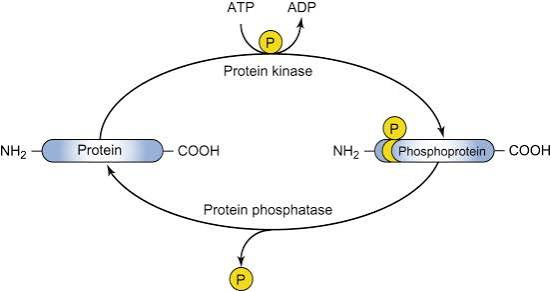
Phosphorylation is an essential regulatory mechanism that influences kinase activity, protein interactions and intracellular localization.
Several proteins involved in nuclear factor kappa B signaling undergo phosphorylation during pathway activation.
These modifications may regulate the activity of upstream signaling molecules, inhibitory proteins and transcription factor subunits.
Ubiquitination and Proteasomal Regulation
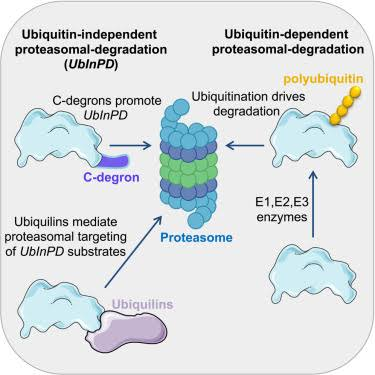
Ubiquitination involves the attachment of ubiquitin molecules to target proteins.
Depending on the type and structure of the ubiquitin chains, this modification can regulate protein degradation, molecular recruitment and intracellular signaling.
In nuclear factor kappa B signaling, ubiquitination participates in the regulation of receptor-associated complexes, kinase activation and the degradation of inhibitory proteins.
Acetylation and Transcriptional Activity
Acetylation can influence the transcriptional properties of nuclear factor kappa B subunits.
These modifications may affect DNA binding, protein stability and interactions with transcriptional co-regulators.
The balance between acetylation and deacetylation contributes to the regulation of gene expression.
Negative Feedback Mechanisms
Nuclear factor kappa B activation is controlled by feedback mechanisms that prevent excessive or prolonged signaling.
One important example involves the increased expression of IκBα following transcriptional activation.
Newly synthesized IκBα can associate with nuclear factor kappa B complexes and contribute to their removal from the nucleus.
Additional regulatory proteins, including A20, participate in limiting upstream signaling activity.
These feedback mechanisms help maintain an appropriate balance between inflammatory activation and cellular homeostasis.
Nuclear Factor Kappa B Signaling in Neuroinflammation
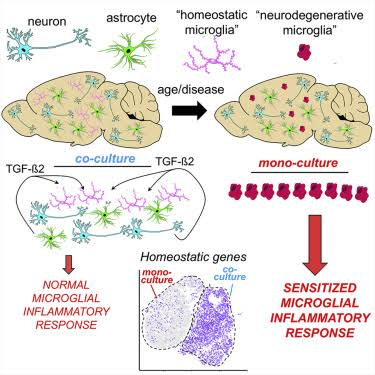
Neuroinflammation involves complex molecular interactions between neurons, astrocytes, microglia and other cellular components of the central nervous system.
Nuclear factor kappa B signaling contributes to the regulation of inflammatory gene expression in several of these cellular populations.
Its activity can influence cytokine production, chemokine expression, immune-related signaling and interactions between neural and immune cells.
Microglial Activation and Inflammatory Responses
Microglia are resident immune cells of the central nervous system.
They participate in tissue surveillance and respond to changes in the neural microenvironment.
Following exposure to inflammatory stimuli, microglial cells can activate signaling networks involving nuclear factor kappa B.
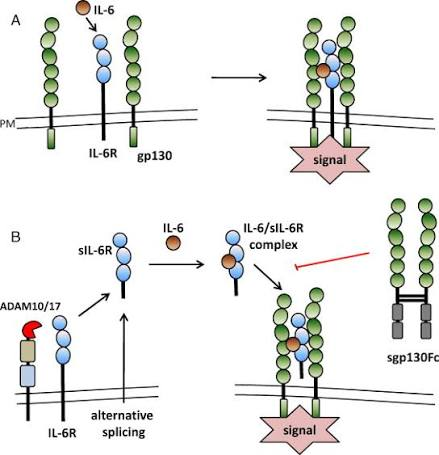
This activation may promote the expression of inflammatory mediators, including interleukin-1 beta, interleukin-6 and tumor necrosis factor.
The biological consequences depend on the intensity, duration and cellular context of the response.
Microglial activity should therefore be understood as a dynamic process rather than a simple distinction between beneficial and harmful states.
Astrocyte Signaling and Cellular Communication
Astrocytes contribute to neuronal support, metabolic regulation, extracellular ion balance and synaptic function.
They also participate in inflammatory communication through the production of cytokines and other signaling molecules.
Nuclear factor kappa B activation in astrocytes can influence inflammatory gene expression and interactions with neighboring cells.
The relationship between astrocytic signaling and neuronal function is an important area of investigation in cellular neuroscience.
Cytokine Regulation
Cytokines are signaling proteins that coordinate communication between cells during immune and inflammatory responses.
Nuclear factor kappa B regulates the expression of several cytokines and inflammatory mediators.
Among the molecules frequently investigated are:
Interleukin-1 beta.
Interleukin-6.
Tumor necrosis factor.
Chemokines involved in immune cell recruitment.
Cyclooxygenase-2-associated inflammatory responses.
Changes in their expression may provide information about inflammatory activity in different experimental models.
Interactions Between Oxidative Stress and Nuclear Factor Kappa B
Oxidative stress and inflammatory signaling are interconnected biological processes.
Reactive oxygen species are generated during normal cellular metabolism, particularly through mitochondrial activity and enzymatic reactions.
When their production exceeds the capacity of antioxidant defense systems, redox homeostasis becomes disturbed.
These changes can influence several signaling pathways, including nuclear factor kappa B.
Reactive Oxygen Species and Intracellular Signaling
Reactive oxygen species may influence signaling proteins through oxidative modifications and changes in kinase activity.
Depending on the biological context, these effects can contribute to either the activation or inhibition of specific signaling components.
Oxidative regulation is therefore not a simple linear mechanism but involves complex interactions between cellular redox conditions and molecular signaling networks.
Antioxidant Defense Mechanisms
Cells maintain redox balance through enzymatic and non-enzymatic antioxidant systems.
Important enzymatic components include:
Superoxide dismutase.
Catalase.
Glutathione peroxidase.
These enzymes participate in the regulation of reactive oxygen species and help maintain appropriate intracellular conditions.
The Relationship Between Oxidative Stress and Inflammatory Gene Expression
Oxidative disturbances may influence the expression of inflammatory mediators through several interconnected pathways.
Nuclear factor kappa B can contribute to this relationship by regulating genes involved in inflammatory responses.
At the same time, inflammatory signaling may modify cellular metabolism and oxidative balance.
This interaction is particularly relevant to investigations of neuronal stress, neuroinflammation and cellular resilience.
Biological Functions in Neuronal Survival and Cellular Adaptation
Although nuclear factor kappa B is widely recognized for its role in inflammation, its biological functions extend to several aspects of cellular physiology.
Depending on the cell type and experimental conditions, its activity may influence survival, differentiation, metabolic regulation and adaptive responses.
Regulation of Cell Survival
Nuclear factor kappa B can regulate the expression of genes associated with cellular survival and resistance to different forms of stress.
These effects may involve proteins belonging to anti-apoptotic regulatory systems and other mechanisms controlling cell fate.
However, the relationship between pathway activation and cellular survival is context-dependent.
Apoptosis and Cellular Stress
Apoptosis is a regulated form of cell death characterized by coordinated molecular events.
Nuclear factor kappa B can influence apoptotic mechanisms through the regulation of survival-associated and stress-responsive genes.
Its effects depend on the balance between extracellular stimuli, intracellular signaling and the transcriptional environment.
Neuronal Adaptation and Plasticity
Neuronal adaptation involves changes in molecular activity that support the maintenance and modification of neural function.
Nuclear factor kappa B has been associated with activity-dependent gene expression and processes related to synaptic regulation.
Its interactions with other signaling systems may contribute to neuronal communication and adaptive responses.
These observations highlight the importance of investigating its functions beyond inflammatory regulation.
Experimental Approaches for Studying Nuclear Factor Kappa B Activation
The investigation of nuclear factor kappa B signaling requires experimental methods capable of examining different stages of pathway activation.
Researchers frequently combine molecular, biochemical and cellular approaches to obtain a more comprehensive understanding of pathway activity.
Quantitative Gene Expression Analysis
Reverse transcription quantitative polymerase chain reaction can be used to investigate the expression of genes regulated by inflammatory signaling.
Frequently studied targets include:
NFKBIA, encoding IκBα.
IL6, encoding interleukin-6.
IL1B, encoding interleukin-1 beta.
TNF, encoding tumor necrosis factor.
PTGS2, encoding cyclooxygenase-2.
Gene expression measurements provide information about transcriptional responses but do not independently establish the complete activation state of the pathway.
Western Blot Analysis
Western blotting allows the investigation of protein abundance and specific post-translational modifications.
Relevant targets may include:
Total and phosphorylated IKKβ.
Total and phosphorylated IκBα.
RelA/p65.
Phosphorylated RelA/p65.
Selected upstream signaling proteins.
The comparison between total and phosphorylated protein levels can help characterize specific regulatory events.

Immunofluorescence and Cellular Imaging
Immunofluorescence microscopy can be used to examine the intracellular localization of nuclear factor kappa B subunits.
The translocation of RelA/p65 from the cytoplasm to the nucleus is a commonly investigated indicator of canonical pathway activation.
Image analysis can provide quantitative information about nuclear and cytoplasmic fluorescence distribution.
Reporter Gene Assays
Reporter systems can measure transcriptional activity associated with nuclear factor kappa B response elements.
These assays generally use a reporter construct containing specific DNA sequences recognized by the transcription factor.
Following pathway activation, reporter expression provides an indirect measure of transcriptional activity.
Enzyme-Linked Immunosorbent Assays
Enzyme-linked immunosorbent assays can quantify cytokines and other soluble inflammatory mediators released into the experimental environment.
They are frequently used alongside gene expression and protein analyses to investigate inflammatory responses.

Experimental Controls and Data Interpretation
Reliable pathway characterization requires appropriate experimental controls and complementary analytical approaches.
Important considerations include:
Selection of relevant biological models.
Appropriate negative and positive controls.
Biological and technical replication.
Validation of antibodies and analytical reagents.
Standardization of experimental conditions.
Normalization of gene and protein expression measurements.
Evaluation of potential cytotoxic effects.
Combining several independent measurements helps distinguish pathway activation from indirect changes associated with cellular stress or reduced viability.
Pharmacological Modulation and Therapeutic Research
Because nuclear factor kappa B participates in numerous biological processes, its regulation has attracted considerable interest in pharmacological research.
Potential strategies include targeting receptor-associated signaling, kinase activity, protein interactions and transcriptional regulation.
However, therapeutic modulation requires careful consideration of the biological functions performed by this pathway in different tissues.
Small-Molecule Inhibitors
Small molecules have been investigated for their ability to interfere with specific components of nuclear factor kappa B signaling.
Some experimental compounds target kinase activity, while others influence upstream signaling mechanisms or protein interactions.
Their effects must be evaluated in relation to molecular selectivity, concentration, toxicity and biological context.
Natural Bioactive Compounds
Several natural compounds have been investigated for their potential influence on inflammatory and oxidative signaling.
Their biological effects may involve multiple molecular targets rather than a single specific mechanism.
Experimental characterization is necessary to determine whether observed changes are directly associated with nuclear factor kappa B regulation or result from broader cellular effects.
Targeted Pathway Modulation
Targeted modulation aims to influence specific components of a signaling network while minimizing disruption of other essential biological functions.
This approach is particularly relevant because nuclear factor kappa B contributes to immune defense, cellular survival and normal tissue maintenance.
The objective is not necessarily to eliminate pathway activity but to understand how its regulation can be modified under defined experimental conditions.
Translational Research Perspectives
The transition from experimental findings to therapeutic applications requires progressive validation.
In vitro studies provide useful information about molecular mechanisms, but their findings must be interpreted within the limitations of the selected model.
Further investigation may involve additional cellular systems, animal models where appropriate, pharmacological characterization and clinical research.
Emerging Research Directions
Advances in molecular biology and analytical technologies are creating new opportunities to investigate nuclear factor kappa B signaling with greater precision.
Current research increasingly focuses on the dynamic behavior of transcription factor complexes, interactions between signaling pathways and the influence of cellular microenvironments.
Important areas of investigation include:
Single-cell molecular analysis: Examining differences in signaling activity between individual cellular populations.
Systems biology: Integrating molecular data to identify interactions between inflammatory, metabolic and survival-associated pathways.
Epigenetic regulation: Investigating how chromatin organization and transcriptional modifications influence pathway-dependent gene expression.
Neuroimmune communication: Exploring interactions between microglia, astrocytes and neurons during inflammatory and adaptive responses.
Targeted pharmacological approaches: Investigating selective modulation of pathway components and their potential biological consequences.
These research directions contribute to a more detailed understanding of the complexity of intracellular inflammatory regulation.
Conclusion: Understanding the Complexity of Nuclear Factor Kappa B Signaling
Nuclear factor kappa B signaling is a central regulatory system connecting extracellular stimuli with intracellular responses and gene expression.
Through canonical and non-canonical activation mechanisms, this pathway participates in inflammatory regulation, immune communication, cellular survival and biological adaptation.
Its importance in neuroscience is particularly evident through its interactions with microglial activation, astrocytic responses, oxidative stress and neuronal function.
A comprehensive investigation requires the integration of molecular biology, biochemical characterization, cellular imaging and functional assays.
Understanding the regulatory mechanisms governing this pathway provides valuable scientific perspectives for studying neuroinflammation and exploring emerging therapeutic strategies.
As research technologies continue to evolve, the investigation of nuclear factor kappa B signaling will remain an important component of molecular neuroscience, cellular biology and biomedical research.
Explore the molecular mechanisms of inflammatory regulation, investigate intracellular signaling networks and deepen your understanding of cellular adaptation.