
The Molecular Architecture of Neurocellular Adaptation
Cellular adaptation represents a fundamental biological process through which neural cells maintain their functional organization under changing conditions. It involves a continuous exchange of information between extracellular signals, membrane receptors, intracellular messengers and transcriptional regulatory mechanisms.
Neurons possess specialized communication systems that enable them to respond to chemical, electrical and metabolic stimuli. These interactions influence synaptic activity, cellular differentiation, structural organization and neuronal maintenance.
The investigation of neurocellular adaptation requires an understanding of several complementary biological processes:
Regulation of intracellular signaling and molecular communication.
Maintenance of neuronal homeostasis and metabolic equilibrium.
Modulation of gene expression and transcriptional activity.
Regulation of neuronal survival and cellular differentiation.
Interactions between oxidative stress and inflammatory responses.
Adaptation of mitochondrial activity to cellular requirements.
Molecular mechanisms involved in neuronal plasticity.
Examining these processes together provides a broader understanding of how neurons preserve their biological functions and respond to changing physiological conditions.
Latent Signaling Pathways and Intracellular Communication
Intracellular signaling networks coordinate numerous biological activities by translating extracellular information into specific cellular responses. Their organization depends on molecular receptors, enzymatic regulators, phosphorylation events and transcriptional mechanisms.
These pathways frequently interact rather than operating independently. Their combined activity determines the intensity, duration and specificity of cellular responses.


Receptor Activation and Molecular Recognition
Membrane-associated receptors recognize extracellular ligands and initiate signaling events that influence intracellular activity. Receptor activation may regulate ion transport, enzymatic reactions, calcium mobilization and transcriptional responses.
The diversity of receptor families contributes to the complexity of neuronal communication and the regulation of cellular activity.
Intracellular Signaling Cascades
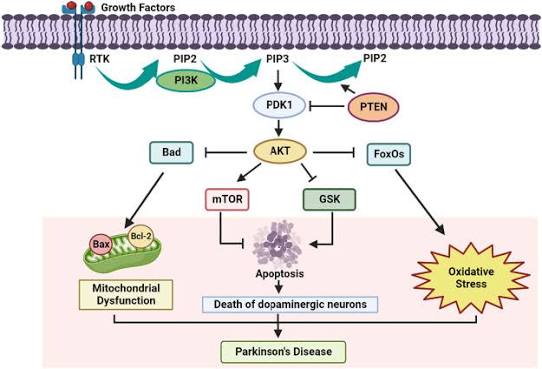
Several molecular pathways participate in neuronal regulation, including phosphoinositide-related signaling, mitogen-activated protein kinase cascades and Janus kinase-dependent mechanisms.
The PI3K/AKT pathway contributes to cellular survival and metabolic regulation, while MAPK/ERK signaling participates in neuronal differentiation, synaptic plasticity and gene expression.
Other regulatory systems, including nuclear factor kappa B signaling, influence inflammatory processes and cellular stress responses.learn more
Understanding the interactions between these pathways is essential for investigating the molecular mechanisms underlying neuronal adaptation.
Transcriptional and Epigenetic Regulation
Changes in transcriptional activity allow neurons to modify their biological functions in response to different stimuli.
Transcription factors, chromatin remodeling and epigenetic modifications contribute to the regulation of genes associated with neuronal maintenance, differentiation and adaptive responses.
These regulatory mechanisms establish connections between intracellular signaling and long-term changes in cellular function.
Neuronal Resilience and Oxidative Stress Regulation
Neuronal resilience depends on the ability of neural cells to preserve their structural and functional integrity despite biological challenges.
The nervous system has substantial metabolic requirements, making the regulation of cellular energy production and oxidative balance particularly important.
Reactive oxygen species are generated through normal metabolic processes, especially mitochondrial activity. Under physiological conditions, antioxidant defense mechanisms regulate their accumulation and prevent excessive oxidative damage.
However, disturbances in redox homeostasis may affect membrane organization, protein function, mitochondrial integrity and intracellular signaling.
Antioxidant Defense Mechanisms
The cellular antioxidant system includes enzymatic and non-enzymatic mechanisms that contribute to redox regulation.
Superoxide dismutase converts superoxide radicals into hydrogen peroxide, while catalase and glutathione-dependent enzymes participate in subsequent detoxification processes.
Investigating these mechanisms helps characterize the relationship between oxidative regulation and neuronal maintenance. learn more
Mitochondrial Dynamics and Cellular Energy
Mitochondria are essential components of neuronal metabolism. In addition to producing adenosine triphosphate, they participate in calcium regulation, redox signaling and mechanisms associated with programmed cell death.
Mitochondrial fusion, fission and quality-control processes contribute to the maintenance of functional organelles.
Changes in these mechanisms may influence neuronal activity and cellular responses to metabolic or environmental disturbances.
Cellular Stress and Protective Responses
Neurons activate several regulatory systems when exposed to oxidative, metabolic or inflammatory challenges.
These responses may involve stress-responsive transcription factors, antioxidant enzymes, protein quality-control mechanisms and intracellular repair processes.
Investigating these interconnected systems provides important insights into the molecular foundations of neuronal resilience.

Neuroinflammation and Neuroimmune Communication
Neuroinflammation is a complex biological response involving interactions between neural cells and immune-related mechanisms within the central nervous system.
Microglia and astrocytes contribute to tissue surveillance, cellular communication and the regulation of inflammatory responses. Their activities are influenced by extracellular signals, cytokines and changes in the surrounding microenvironment.
The molecular regulation of neuroinflammation involves multiple signaling networks that coordinate the expression of inflammatory mediators and cellular responses.
Microglial Signaling and Functional Adaptation
Microglial cells participate in the surveillance of neural tissue and respond to changes in their environment through dynamic functional modifications.
Their activation involves changes in receptor expression, intracellular signaling and the production of inflammatory mediators.
Investigating these responses helps explain the contribution of microglial activity to neuronal homeostasis.
Astrocyte-Mediated Cellular Interactions
Astrocytes contribute to neuronal support through metabolic regulation, neurotransmitter clearance and interactions with synaptic structures.
They also participate in inflammatory communication and the regulation of extracellular conditions.
Understanding astrocyte signaling provides additional perspectives on the coordination of cellular activities within neural tissue.
Cytokines and Inflammatory Mediators
Cytokines and chemokines regulate communication between neural and immune-related cells.
Molecules such as interleukin-6 and tumor necrosis factor are involved in inflammatory signaling and can influence intracellular regulatory pathways.
Their expression and activity must be interpreted in relation to the biological model, experimental conditions and surrounding cellular environment.
Neuroplasticity and Neurotrophic Signaling
Neuroplasticity describes the capacity of the nervous system to modify its structural and functional organization in response to experience, environmental stimulation and physiological changes.
This process involves molecular mechanisms regulating synaptic strength, neuronal connectivity, receptor distribution and activity-dependent gene expression.
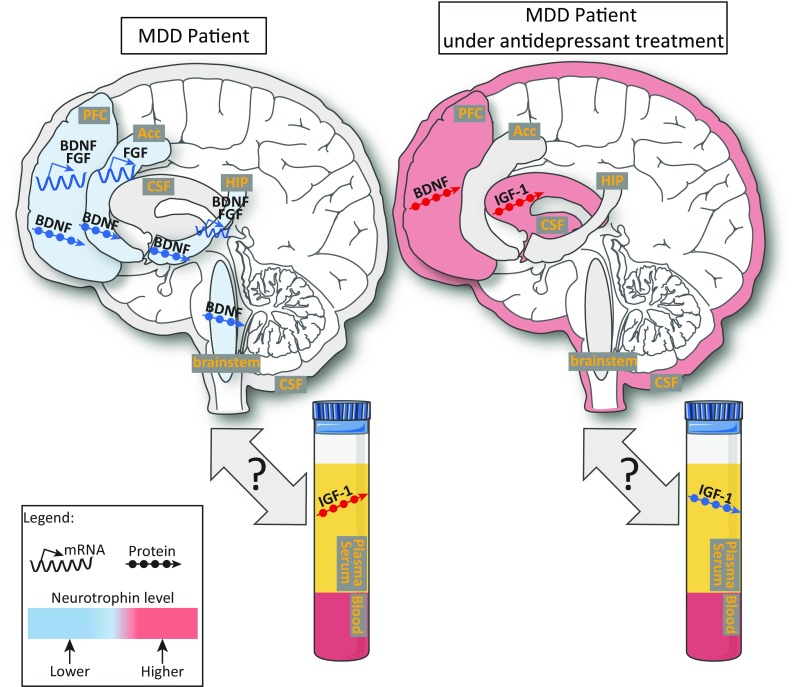
Neurotrophic factors are important contributors to neuronal development, maintenance and adaptive regulation.
Brain-Derived Neurotrophic Signaling
Brain-derived neurotrophic factor participates in neuronal survival, synaptic plasticity and activity-dependent regulation.
Its biological effects are mediated through receptor-associated signaling systems that influence intracellular pathways involved in neuronal maintenance and functional adaptation.
Glial-Derived Neurotrophic Regulation
Glial cell line-derived neurotrophic factor contributes to the regulation of neuronal populations through specific receptor-mediated mechanisms.
Its investigation provides perspectives on neurotrophic communication and the molecular regulation of neuronal integrity.
Synaptic Remodeling and Functional Adaptation
Synaptic plasticity involves changes in the organization and efficiency of communication between neurons.
These modifications depend on receptor trafficking, intracellular calcium signaling, cytoskeletal regulation and transcriptional activity.
Studying these processes helps clarify how molecular mechanisms contribute to the adaptation of neuronal networks.
Molecular Investigation and Advanced Analytical Technologies
Modern neuroscience increasingly relies on technologies capable of examining complex biological systems at molecular, cellular and functional levels.
The integration of analytical methodologies contributes to a more detailed characterization of neuronal responses and intracellular regulatory mechanisms.
Molecular Biology and Gene Expression
Molecular biology techniques support the investigation of transcriptional regulation and the expression of genes associated with neuronal function.
Quantitative polymerase chain reaction, complementary DNA analysis and transcriptional profiling are valuable approaches for evaluating molecular changes under different experimental conditions.
Biochemical Characterization
Biochemical assays allow the measurement of oxidative stress markers, antioxidant enzyme activities, inflammatory mediators and other cellular parameters.
These investigations help establish relationships between molecular activity and observed cellular responses.
Cellular Imaging and Morphological Analysis
Microscopic approaches provide information about cellular morphology, structural organization and changes associated with experimental conditions.
Fluorescence-based methods can also be used to investigate intracellular components and specific biological processes.
Protein Expression and Molecular Interactions
Protein characterization provides information about the activity and regulation of molecular pathways.
Western blotting, immunodetection and other analytical approaches can help investigate signaling proteins and regulatory mechanisms associated with neuronal adaptation.
Computational Biology and Data Interpretation
Computational approaches facilitate the analysis of complex molecular datasets and the identification of relationships between biological variables.
Bioinformatics, pathway analysis and molecular data integration contribute to the interpretation of cellular mechanisms and the exploration of potential biological targets.

Emerging Directions in Neurotherapeutic Research
Investigating the molecular foundations of neuronal adaptation provides an important scientific basis for exploring new therapeutic research directions.
The development of neurotherapeutic strategies requires the identification of relevant biological targets, the evaluation of candidate molecules and the investigation of their mechanisms of action.
This process connects fundamental neuroscience with pharmacological research and translational investigation.
Identification and Validation of Molecular Targets
The identification of molecular targets begins with understanding the biological mechanisms associated with specific neuronal functions or disturbances.
Potential targets may include membrane receptors, intracellular enzymes, transcription factors, inflammatory mediators and proteins involved in mitochondrial regulation.
Their biological relevance must be evaluated through appropriate experimental approaches.
Evaluation of Bioactive Molecules
Natural compounds, synthetic molecules and biological candidates can be investigated to determine their influence on cellular responses.
Experimental evaluation may include cytotoxicity assessment, oxidative stress measurements, inflammatory marker analysis and gene expression studies.
The interpretation of these results requires careful consideration of concentration, exposure time, experimental design and biological reproducibility.
Pharmacological Characterization
Pharmacological characterization examines the relationship between a candidate molecule and its biological effects.
It may involve dose-response analysis, investigation of molecular mechanisms, evaluation of cellular activity and preliminary assessment of pharmacological properties.
These approaches contribute to the scientific evaluation of potential therapeutic candidates.
Translational Research and Experimental Validation
Translational research connects laboratory discoveries with broader biomedical applications.
The process requires progressive validation, standardized experimental methodologies and an understanding of the limitations associated with different biological models.
Integrating molecular, cellular and pharmacological investigations supports the development of more comprehensive research strategies.
Cellular Homeostasis and Biological Regulation
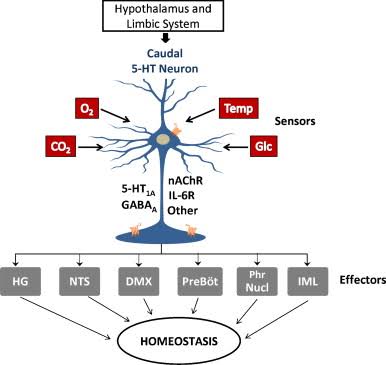
Cellular homeostasis depends on the coordinated regulation of metabolic activity, intracellular transport, protein turnover and communication between cellular compartments.
Neurons rely on particularly sophisticated regulatory mechanisms because of their structural complexity and specialized functional requirements.
Autophagy contributes to the removal and recycling of cellular components, while the ubiquitin-proteasome system participates in the selective degradation of proteins.
Endoplasmic reticulum stress responses also influence protein folding, intracellular signaling and cellular adaptation.
Investigating these mechanisms helps explain how neurons maintain their internal organization and respond to disturbances affecting their biological environment.
Exploring the Future of Neurocellular Research
The investigation of neuronal adaptation continues to reveal new relationships between intracellular signaling, cellular metabolism, neuroinflammation and molecular regulation.
Advances in experimental methodologies and analytical technologies are creating opportunities to investigate biological processes with increasing precision.
Understanding how different molecular pathways interact may contribute to the identification of new research targets and the exploration of innovative approaches to neurological investigation.
The future of neurocellular research will depend on the integration of fundamental biological knowledge, experimental validation and interdisciplinary scientific collaboration.